Prishtina, 12 May 2026 – The Kosovo Law Institute (KLI), with the support of the Rockefeller Brothers Fund, published the report “The 10th Legislature Monitor”, providing an analysis of the functioning of the Assembly of Kosovo during this legislative term. The report examines parliamentary functioning, the legislative process, parliamentary oversight, institutional transparency, and compliance with constitutional and democratic standards.
During the presentation of the report, KLI Senior Researcher, Naim Jakaj, emphasized that over 40 percent of Assembly sessions were extraordinary sessions. According to him, this indicates an orientation of the parliamentary majority towards managing the parliamentary agenda through accelerated procedures, thereby reducing the space for substantive parliamentary debate and proper scrutiny of draft laws. He noted that this has directly affected the quality of the legislative process and the Assembly’s oversight role over executive institutions.
The report highlights that during this legislative term, a considerable number of laws were adopted through accelerated procedures, often without sufficient public consultation and without adequate consideration of recommendations from independent institutions, civil society, or the parliamentary opposition. The report stresses that the frequent use of emergency procedures has created challenges in ensuring transparency and inclusiveness standards in the law-making process.
Furthermore, the report addresses the manner of government formation, which KLI assessed as having been conducted with a lack of transparency and limited parliamentary debate. According to the report’s findings, the opposition demonstrated minimal activity during the session on the Government’s approval, contributing to weakened parliamentary scrutiny and democratic accountability towards the executive.
An important part of the report highlights concerns of compliance with the judgments of the Constitutional Court of the Republic of Kosovo and their impact on the legislative process. KLI raised concerns over the failure to adopt an amendment intended to implement the Constitutional Court’s judgment regarding compensation for years of work experience for public officials. According to the report, the non-implementation of Constitutional Court judgments remains one of the most serious issues affecting the democratic functioning of institutions and the safeguarding of the rule of law.
Additionally, the report sheds light on the level of engagement of Members of Parliament in parliamentary work. According to data presented by KLI, 26 MPs did not make a single parliamentary statement throughout the entire legislature, which, according to KLI, raises serious concerns regarding the effective exercise of parliamentary mandates and the representation of citizens’ interests in the Assembly.
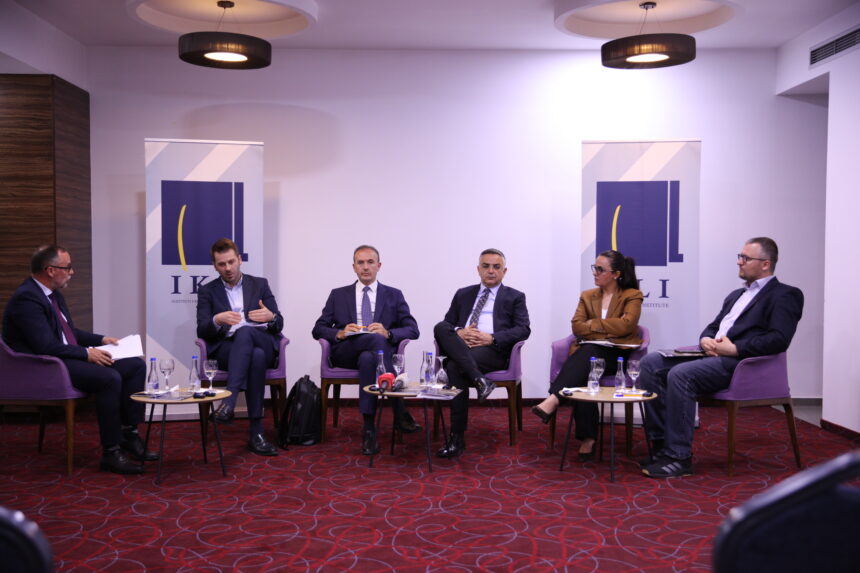
In the discussion panel organized following the report presentation, MP Arben Mustafa of the Democratic Party of Kosovo stated that the parliamentary majority had been more focused on preparing for elections than on pursuing a serious state and legislative agenda. According to him, the same political promises were repeated throughout the legislative term, while concrete results in many sectors remained absent.
Meanwhile, MP Ilir Kërçeli of the Vetëvendosje Movement stated that the parliamentary majority acted swiftly due to the need for efficient decision-making rather than to bypass parliamentary democracy. He emphasized that the dynamics of political developments and the need to address important state issues required faster processing of the parliamentary agenda.
On the other hand, MP Besnik Tahiri of the Alliance for the Future of Kosovo stated that this legislature “started and ended badly,” criticizing the lack of political cooperation, institutional polarization, and the management of parliamentary processes throughout the mandate.
In conclusion, KLI assessed that the tenth legislature was characterized by a high level of agenda domination by the parliamentary majority, frequent use of accelerated procedures, limited parliamentary debate, and ongoing challenges regarding compliance with constitutional and democratic standards. Through this report, KLI called on future legislatures to ensure greater transparency, substantive parliamentary debate, respect for Constitutional Court judgments, and a more active role of MPs in exercising their constitutional and representative functions.
The published report can be accessed at the following këtë link